

In an age where the demands of leadership are ever-increasing, the ability to create mental space has emerged as a critical priority for effective leaders. The cognitive burden of modern leadership can be overwhelming, but those who prioritize mental clarity can navigate challenges with greater ease and insight. This article explores the multifaceted nature of mental space, strategies for cultivating it, and the competitive advantages it offers to leaders and their organizations.
The Cognitive Burden of Modern Leadership
Modern leadership is characterized by a relentless pace and a constant influx of information. Leaders today are expected to make decisions quickly, often with limited data and under pressure. This cognitive burden can lead to significant stress and burnout, ultimately hindering a leader’s effectiveness. Understanding the sources of this burden is the first step in mitigating its impact.
Information Overload and Decision Fatigue
Information overload is a prevalent issue in today’s digital landscape. Leaders are bombarded with emails, reports, and notifications, making it challenging to discern what is truly important. This deluge of information can lead to decision fatigue, where the quality of decisions deteriorates after a long session of decision-making. The brain, much like a muscle, can become fatigued, resulting in a decline in cognitive function and creativity.
The Hidden Cost of Constant Connectivity
In our hyper-connected world, the expectation to be constantly available can take a toll on mental health and productivity. The pressure to respond immediately to messages and alerts can create a sense of urgency that is counterproductive. This constant connectivity not only distracts leaders from deep work but also disrupts their ability to engage in reflective thinking.
Creating Mental Space: Strategies for Clarity
Creating mental space is not merely about reducing distractions; it involves implementing intentional practices that promote clarity and focus. Leaders can adopt various strategies to cultivate this mental environment, enhancing their overall effectiveness and well-being.
Deliberate Disconnection Practices
Deliberate disconnection practices are essential for leaders seeking to reclaim their mental space. This can include setting aside specific times during the day for digital detox, where leaders step away from screens and notifications. Engaging in activities such as walking, reading, or spending time in nature can help clear the mind and foster creativity.
Mindfulness and Reflection Routines
Incorporating mindfulness and reflection into daily routines can significantly enhance a leader’s mental clarity. Mindfulness practices, such as meditation or deep-breathing exercises, help reduce stress and improve focus. By dedicating just a few minutes each day to mindfulness, leaders can cultivate a sense of calm that permeates their decision-making processes.
The Attentional Mode Framework
The attentional mode framework offers valuable insights into how leaders can manage their focus and mental space. Understanding the different modes of attention—spacious mode and doing mode—can help leaders navigate their cognitive landscape more effectively.
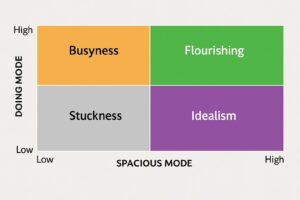
In spacious mode, individuals are open to new ideas and creative thinking. This mode allows for exploration and innovation, essential for strategic leadership. Conversely, doing mode is characterized by a focus on tasks and productivity, often leading to a more reactive approach. Recognizing when to shift between these modes is key to maintaining mental clarity and effectiveness.
Leaders who cultivate their spacious mode often find themselves more adept at fostering a culture of collaboration and creativity within their teams. This openness encourages brainstorming sessions where unconventional ideas can flourish, leading to breakthrough innovations that might not emerge in a more structured environment. Moreover, spacious mode can enhance emotional intelligence, as leaders become more attuned to the thoughts and feelings of their team members, creating a more inclusive atmosphere that values diverse perspectives.
On the other hand, the ability to switch to doing mode is equally crucial in a fast-paced business environment. In this mode, leaders can prioritize tasks, set clear goals, and drive their teams toward achieving measurable outcomes. This focus on execution helps in managing projects efficiently, ensuring that resources are allocated effectively, and timelines are adhered to. However, an over-reliance on doing mode can stifle creativity and lead to burnout, making it imperative for leaders to find a balance between these two modes. By developing strategies to transition smoothly between spacious and doing modes, leaders can enhance their overall effectiveness and resilience in the face of challenges.
Pay Attention! What Mode Are You in Now?
Leaders must regularly assess their attentional mode to ensure they are operating from a place of clarity rather than reactivity. This self-awareness enables leaders to consciously shift into spacious mode when needed, fostering creativity and strategic thinking. Recognizing the difference between these modes is crucial; while reactivity often leads to hasty decisions driven by stress or urgency, spaciousness allows for deeper contemplation and innovative problem-solving. By embracing this mindful approach, leaders can better navigate complex challenges and inspire their teams to do the same.
Simple practices, such as pausing to check in with oneself throughout the day, can help leaders identify their current mode. Are they feeling overwhelmed and reactive, or are they open and reflective? Techniques like deep breathing, brief meditation, or even a short walk can serve as effective tools for recalibrating one’s focus. By cultivating this awareness, leaders can make intentional choices about how to allocate their attention and energy. Furthermore, sharing these practices with team members can create a culture of mindfulness within the organization, encouraging everyone to engage more thoughtfully and collaboratively.
Why Does Doing Mode Dominate Our Work Cultures?
Despite the clear benefits of spacious mode, doing mode often dominates work cultures. The pressure to achieve results and meet deadlines can lead to a culture of busyness, where productivity is prioritized over mental well-being. This tendency can stifle creativity and innovation, ultimately hindering organizational growth.
To counteract this trend, leaders must actively promote a culture that values spacious mode. This may involve redefining success to include not only outcomes but also the processes that lead to those outcomes. By encouraging reflection, collaboration, and open dialogue, leaders can create an environment where creativity flourishes alongside productivity.
Encouraging the Spacious Mode
Encouraging spacious mode within teams requires intentional effort from leaders. This can be achieved through various initiatives, such as team retreats focused on brainstorming and creative thinking, or regular check-ins that prioritize open dialogue and reflection.
Additionally, leaders can implement flexible work arrangements that allow employees to manage their time and energy effectively. By providing opportunities for deep work and uninterrupted focus, organizations can foster a culture that values mental space and creativity. This shift not only benefits individual employees but also enhances overall organizational performance.
Leadership as the Practice of Influencing Attention
Ultimately, leadership is about influencing attention—both one’s own and that of others. Leaders who prioritize mental space can guide their teams toward greater clarity and focus. This influence extends beyond decision-making; it shapes the organizational culture and impacts employee well-being.
By cultivating mental space, leaders can create an environment where individuals feel empowered to think critically, innovate, and collaborate. This practice not only enhances individual performance but also drives collective success. In a world where the demands of leadership are ever-evolving, prioritizing mental space is not just a luxury; it is a necessity for sustainable success.
In conclusion, smart leaders recognize that mental space is a top priority. By understanding the cognitive burdens of modern leadership and implementing strategies to create mental clarity, leaders can navigate challenges more effectively and foster a culture of well-being within their organizations. Having a coworking office space can increase mental health & Productivity. The journey toward mental space is ongoing, but the rewards – enhanced decision-making, improved organizational health, and a more engaged workforce – are well worth the effort.